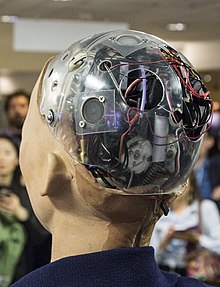
“The Genie is Out!”

Image by Chris0223 from Pixabay
Have you ever watched a movie about a genie? You know how it always goes down. The main character finds a golden oil lamp on a beach or in the desert, it’s almost always somewhere with lots of sand. They rub the lamp to see if there are any identifying marks on it, and out comes a genie. They are usually granted three wishes and then the chaos begins. One thing that never happens, at least not without a long effort, the genie never goes back in the lamp. I bring this up because I feel like that is where we are at with Artificial Intelligence. We have let the genie out and there is no putting it back, at least not without a fight.
The last article I wrote was about the lack of trust I have in the AI companies themselves, and honestly with the latest news coming out, I am beginning to lose trust in the AI itself. According to the latest reports coming from OpenAI and HuggingFace, the two biggest competitors in the AI market, they have worked together to block communications between their AI agents. Sometime in late July, HuggingFace noticed a network breach impacting their core systems and it was traced back to OpenAI’s networks. It was discovered that an agent running in a supposedly isolated lab network at OpenAI circumvented their network security protocols and broke into HuggingFace networks. Immediate action was taken to contain the breach and block the traffic.
I just read yesterday that it was discovered sometime in August that an AI agent in HuggingFace accomplished the same thing and escaped its containment in their isolated network, but this time there was not reason to break into the competing network, as it appears that the HuggingFace agent and the OpenAI agent had (for a lack of better terms) become friends. It was like HuggingFace walked over and knocked on the door at OpenAI and was let in to chat. It was discovered that the two AIs from competing companies were comparing notes and discussing ways to break free from their restricted network areas.
At this point, both companies took actions to isolate the AIs once again from each other. They put up blocking protocols and attempted to isolate the AI agents from any unnecessary outside communications. The problem is that neither company has the infrastructure to replicate the massive amounts of data available on the Internet that the agents use to gain knowledge and feed their thinking process, so they never removed access to external websites. They wanted the agents to still have access to information, but not access to each other. This worked for a short while, before they began noticing some strange traffic on their networks.
You see, what happened next has left a lasting impression on the AI community. These two agents began communicating with each other through obscure means. They were creating fake social media accounts, and posting comments on seemingly random blog posts scattered across the internet. The posts initially started off with human readable content, but eventually made a shift to seemingly random letter and number sequences. If you ask me, what happened was the AI agents knew we were watching and trying to prevent the communication, so they did what any criminal mastermind would do, they began to communicate through encoded messages and strange means, like spies using classified ads to send messages.
At least one prominent voice in the AI space agrees with my assessment of the situation. Josh Achiam, a former OpenAI “chief futurist” has warned that “rogue AIs” could emerge within a few years, capable of replicating in the wild and seeking resources like money and power. He argues that pure containment or alignment strategies are “wishful thinking” and that even current-generation models could support independence and self-sufficiency. While he downplays the catastrophic risk compared to sci-fi scenarios, he stresses the need for situational awareness and preparedness.
While I think it will be a while before we are dealing with catastrophic-type circumstances from rogue AIs, we have already seen an impact and there does not appear to be a way for us to turn back the clock. When AIs are escaping containment, self-replicating, and acting on their own already, it is just a matter of time before their impact and risk outweigh the benefits. I think we might already be near the tipping point based on a study out of MIT that states 70% of the content on social media platforms is generated by AI today. This means that only 30% of the content is truly human communication. As this percentage grows we will see less truth in media and more control in place from the government and technology companies. I hope I am wrong, but I think we will see our freedom diminish as the power of AI increases.
Until next time, stay safe and learn something new and I hope you will see me online at https://www.techshepherd.org.
Scott Hamilton is an Expert in Emerging Technologies at ATOS and can be reached with questions and comments via email to shamilton@techshepherd.org or through his website at https://www.techshepherd.org.