How to Remodel Your Home into an Eco-Friendly Smart Living Space
For first-time remodelers and busy households trying to lower monthly bills and live more responsibly, eco-friendly home remodeling can feel like a maze of choices and trade-offs. The challenge is real: many homeowners want sustainable living for homeowners, but worry that green projects cost more, add hassle, or won’t make a noticeable difference. Pairing energy-efficient home upgrades with smart home technology turns that uncertainty into a clear, practical direction, improving comfort, cutting wasted energy, and making everyday routines easier. This beginner’s guide to green remodeling focuses on progress that feels manageable and worth doing.
Choose 6 High-Impact Upgrades That Pay Off Fast
If you want an eco-friendly smart home without the overwhelm, start with a short “menu” of upgrades you can mix and match. Pick one quick win you can do this weekend, then plan one bigger project for when budget and timing line up.
- Swap to LED lighting, room by room: Replace the bulbs you use most first (kitchen, living room, porch), then move through the house over a month or two. LEDs use less energy and last longer, so you’ll usually notice the payoff in lower electric use and fewer bulb changes. For the cleanest result during a remodel, add dimmers where it makes sense and choose consistent color temperature across a room so it feels cohesive.
- Tighten up insulation and air sealing where it matters most: Focus on “hidden” areas that leak comfort, attics, crawl spaces, and the rim joist in the basement, before you spend money on fancy tech. A weekend air-sealing pass (around attic hatches, plumbing penetrations, and top plates) can make heating and cooling feel steadier, and adding insulation boosts that effect. Some homeowners can save up to 15% on heating and cooling costs with targeted air sealing and insulation, which is why it’s such a high-impact first project.
- Install water-saving fixtures you’ll feel immediately: Start with the simplest swaps: a low-flow showerhead, faucet aerators, and high-efficiency toilets when you’re already replacing old ones. This reduces water use without changing your routine, and it can also cut the energy used to heat hot water. If you’re remodeling a bathroom, ask your plumber to confirm flow rates and check shutoff valves so future repairs are easier.
- Upgrade appliances strategically, not all at once: Replace the “energy hog” that’s on its last legs first, often the fridge, dishwasher, or washer/dryer, rather than doing a full appliance package. Look for energy-efficient models sized correctly for your household; oversized appliances can waste energy and money. If you cook a lot, prioritize an efficient range hood and induction or efficient electric cooking when your current range is due for replacement.
- Add a smart thermostat and use it like a habit, not a gadget: Install it where the home’s temperature is most representative (often a hallway, not a sunny wall). Set a simple schedule, sleep, away, and home, and give it a week before tweaking so you don’t chase day-to-day weather changes. Pair it with your insulation work for the best comfort boost, because a tighter home responds more predictably to temperature adjustments.
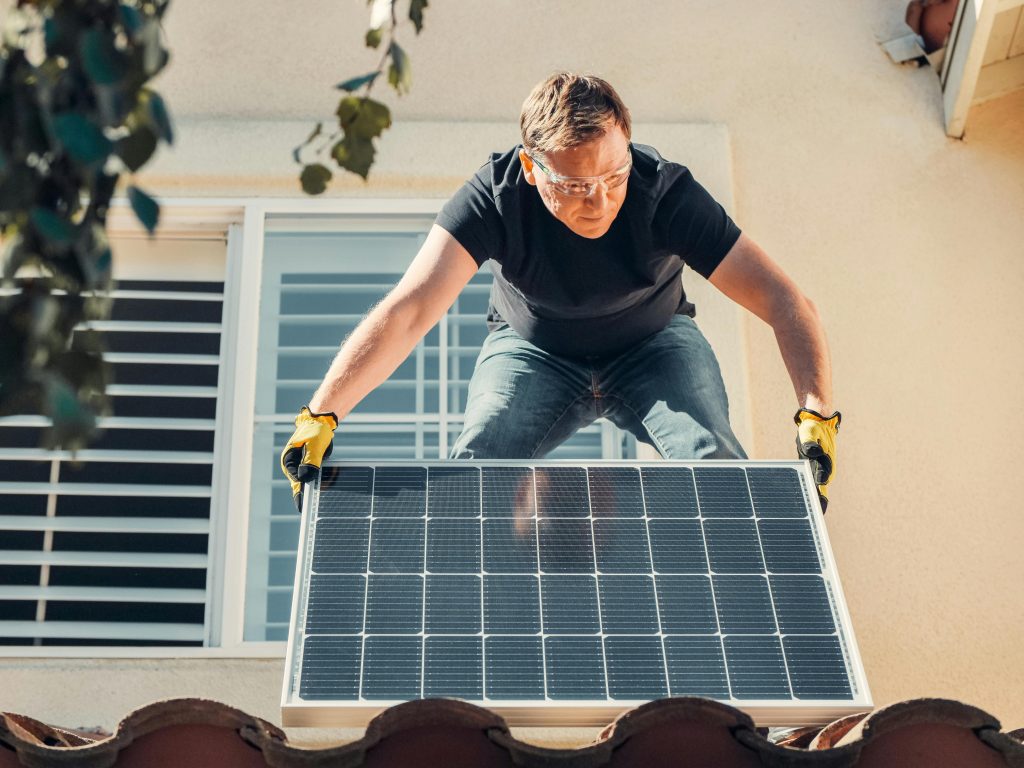
- Consider solar panels once your efficiency basics are handled: Solar tends to work best after you’ve reduced waste with LEDs, insulation, and efficient appliances, then you need fewer panels to cover more of your usage. Start by reviewing your roof age, shade, and electrical panel capacity, and collect at least 2–3 quotes with production estimates. The fact that there are 160 gigawatts of solar panels installed shows it’s a mainstream option, but the best choice depends on your roof and utility rates.
If you pick just two upgrades, one small and one medium, you’ll build momentum while keeping decisions manageable. Before any work starts, it also helps to confirm changes like new fixtures, insulation work, or solar tie into your warranties and contractor agreements so there are no surprises later.
Check Warranty and Contracts Before You Start Tearing Things Out
Once you’ve picked a few upgrades with quick payback, take a moment to protect what you already own before any demolition starts. Before renovating, review your existing builder’s warranty so your planned changes don’t accidentally void coverage on key parts of the home, especially structural elements or major systems you’re counting on while you add new eco-friendly improvements.
A builders warranty typically covers defects in materials, workmanship, distribution systems, and the home’s structure, but coverage can depend on what’s altered and how the work is done. Start by locating the terms and confirming what’s included, what’s excluded, and what actions could affect your protection; a helpful reference point is a home builder warranty overview. With that clarity in hand, you’ll be in a better position to map out a phased remodel plan that integrates green and smart systems without surprises.
Plan → Coordinate → Verify → Tune
To keep your remodel calm and consistent, use a repeatable rhythm that turns big ideas into scheduled decisions. It helps you line up eco-friendly choices and smart tech at the right moments, so you avoid rework and end up with systems that actually work together. With Americans investing an estimated $603 billion in remodeling in 2024, a simple process can protect both comfort and budget.
| Stage | Action | Goal |
| Scope + priorities | Choose 2 to 4 goals: comfort, air quality, energy, convenience | Clear “why” for every upgrade |
| Map systems | Sketch electrical, HVAC, plumbing, insulation, and network needs | No conflicts between green and smart |
| Sequence the work | Schedule envelope first, then mechanicals, then smart devices | Fewer callbacks and change orders |
| Coordinate trades | Share one spec sheet: devices, wiring, sensors, locations | Clean handoffs across contractors |
| Verify + tune | Test rooms, automate schedules, and track usage for 2 weeks | Stable performance and measurable savings |
Each stage feeds the next: priorities guide design, design determines order, and order makes coordination easier. Finishing with verification and tuning closes the loop so you can adjust settings instead of guessing. Start small, follow the rhythm, and let momentum build.
Eco-Friendly Smart Remodel Questions, Answered
Q: What eco-friendly materials are actually worth paying for?
A: Start with materials that affect daily health and comfort, like low-VOC paint, formaldehyde-free cabinetry, and quality insulation. Ask for product data sheets and third-party labels, then compare cost per year of use, not just upfront price. If you are unsure, upgrade the rooms you use most first.
Q: How do I budget for green upgrades without blowing the whole remodel?
A: Set a firm “efficiency first” line item for insulation, air sealing, and HVAC right-sizing before adding smart gadgets. Also plan for waste control, since some projects create avoidable overruns when waste up to 30% translates into extra hauling and replacement purchases. Get at least two quotes and require a clear scope with alternates.
Q: Can smart home devices be secure, or are they an easy target?
A: They can be secure if you set them up intentionally. Use a separate Wi-Fi network for devices, turn on automatic firmware updates, and choose strong unique passwords with two-factor authentication. If a product does not clearly support updates, skip it.
Q: What maintenance should I expect with a greener, smarter home?
A: Most tasks are simple but recurring: change HVAC filters, clean ventilation grilles, and check for sensor battery alerts. Put reminders in your calendar and keep a small “spares kit” of filters and batteries. Once a year, schedule a tune-up for HVAC and any energy recovery ventilation.
Q: How much energy savings is realistic over time?
A: Results vary by climate and starting condition, but deeper retrofits can add up substantially. One case study reported cutting energy usage by 75%, which shows what is possible when envelope and mechanical upgrades work together. Track bills for a few months, then adjust schedules, setpoints, and automations based on what you see.
Take Three Simple Steps Toward Eco-Friendly Smart Remodeling
Eco-friendly remodeling can feel overwhelming when costs, tech choices, and maintenance questions pile up at once. The most reliable path is a steady, whole-home mindset: improve efficiency first, choose healthier materials, and add smart controls that support those choices. Done this way, the benefits of sustainable remodeling show up as a calmer, easier-to-run home, long-term cost savings, and measurable environmental impact reduction, without chasing perfection. Build greener by making one smart, sustainable upgrade at a time. Choose one next-step eco-friendly upgrade to schedule this week, then note the expected savings and a simple baseline (like monthly energy use) to track over time. That momentum is what empowers homeowners to build a home that’s more resilient, comfortable, and future-ready.